
All Posts By

Kelsey Dundon

So you want to host an Anxious Generation book club?

I’ve had many questions from parents (okay fine: moms. They were all moms.) about how we hosted an Anxious Generation book club at my kids’ school. It was a fun evening and word spread—there’s real momentum behind the being-smart-about-smartphones movement right now, thanks in large part to author Jonathan Haidt’s tireless advocacy (pictured above with Oprah and Dr. Becky).

So if you’re Anxious Generation book club-curious—and oh! How I encourage you to be!—then I can’t recommend it enough. The discussion was fascinating because everyone has something to contribute to it, even if they hadn’t finished the book before the meeting (me. That was me. And I was the one facilitating the discussion).

Here’s how we held our Anxious Generation book club in nitty gritty detail:

First, figure out what works for you

We wanted our event to be low-key and low-pressure—even for those of us who brought it to life. We wanted the conversation to be casual and constructive so we planned the whole thing with that in mind.

Reach out to your parent group and school admin

Those of us who organized our book club were already on the parent group executive (but if we weren’t, we would have reached out to them first) so our first step was to get our admin on board, which they very much were. Our vice principal even attended.

We set a date a little over a month in advance to give everyone time to read the book beforehand (I may have been the only one who failed at that!).

Collect RSVPs

We sent an invitation in the school e-newsletter and collected RSVPs (via email). We knew we’d have about 20 parents and caregivers in attendance so we booked our school’s library in the evening (we like a 6:30 start but there’s no magic to it) and planned to run 60-90 minutes (there is, however magic to determining an end time in advance!).

Borrow what works from your other book clubs

When I’m feeling ambitious in my real-world book club, I encourage everyone to come prepared with one question to pose to the group. They don’t even have to have an answer—it’s simply a way to encourage everyone to participate and keep the discussion moving. If that feels right for your Anxious Generation book club: go for it!

Cans and canapés

We brought baked goods and Bublys because we’re the hosts with the mosts—and also because we’ve found little gestures like that add warmth to our events. Don’t ask me why: they just do. But! If that feels like a bridge too far, you could absolutely skip this step.

Low-key, low-pressure preparation

Come how you are, learn from each other. Approach the whole thing like a conversation—don’t let the pressure of preparation stop you from participating. (The fact I hadn’t finished the book before facilitating the book club turned out to be totally okay.)

We *did* have a list of questions prepared in advance in case conversation lulled, which it never did, so we never needed them, but they were a nice security blanket.

I’d recommend having some questions in your back pocket, even if only for your own sanity. This could be as simple as having Jonathan Haidt’s thought-starters handy on your phone. Or printing them out in advance if you’re analog like that.

Set the tone

We had the space to set chairs out in a circle, which reemphasized the conversation vibe, though that would likely only work with a group of a certain size.

We began by reminding everyone this was a safe space and to be extra respectful of everyone’s opinions, which I would like to think everyone would have been even without the reminder, but it’s worth stating explicitly to help set everyone’s minds at ease.

Get people talking

Because I am disciple of Priya Parker, who speaks often about “Magical Questions,” we kicked things off by having everyone introduce themselves and answer two questions that reflect major themes in the Anxious Generation:

– How old were you when you first got a phone?
– And how old were you when you were allowed to roam your neighbourhood freely?

Bonus points: take notes

If someone at your event is so inclined—and someone at ours was!—make note of the resources people mention during the meeting. Then share them with your school community afterward. I would let everyone know that’s happening, though, so everyone feels comfortable with what they choose to share—and everyone’s crystal on what’s being documented.

A major resource that came out of our event was Unplugged Canada, a group of parent volunteers who are currently advocating for Canada to become the new Australia, I.e. to set a social media minimum age of 16.

One last thought

One of the most fascinating things about our Anxious Generation book club was that the group makeup was different from that of our usual school parent events. Often our parent meetings are majority moms, but the Anxious Generation brought out many more dads than usual. And every single one of them worked in tech. Make of that what you will.

Questions? Ask away!

Send me a note at KDundon@TheAnthology.ca. If this is a topic you’re also passionate about (and I’m assuming it is, if you’ve gotten this far!), read my Op-Ed for the Vancouver Sun about phones in school: Algebra vs. the Algorithm. And subscribe to my Substack: The Waited to get updates (and inspiration!) straight to your inbox.

Thank you! Have fun! Let me know how it goes!

“I like making sh*t up…”

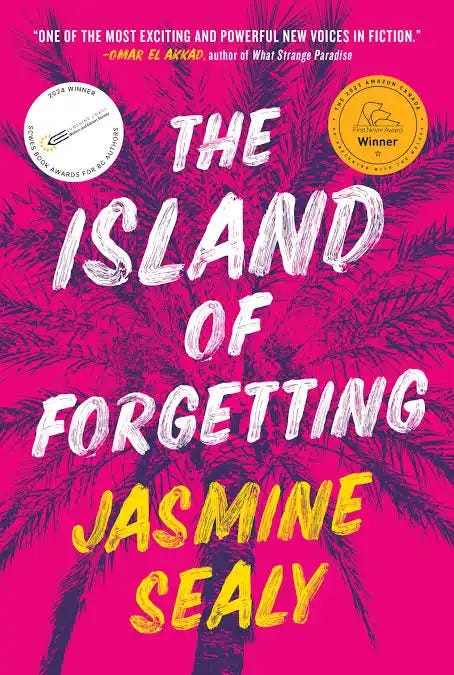
A conversation with Jasmine Sealy, author of The Island of Forgetting, about writing, reading, mentoring, parenting, and forgetting what’s in your own book…

This post first appeared on The Waited on Substack.

Jasmine Sealy, the award-winning author of The Island of Forgetting, judges prestigious literary prizes, speaks at sold-out events and teaches at the world-renowned University of British Columbia.

But perhaps her most noteworthy distinction is the fact that, as you will hear in our interview, she was the first person to tell me about Heated Rivalry (we recorded this back in December! I have not been living under a rock!).

In the very first episode of The Waited podcast, we talk about the magic of getting encouragement at just the right time. In fact, it was a conversation with the novelist Alix Ohlin that prompted Jasmine to turn a short story she’d written for her MFA into her novel.

(If you’re in Vancouver, Alix Ohlin is going to be interviewing the great George Saunders at a Writers Festival event this coming Friday and you can grab tickets here.)

We talk about the logistics of creative work when you have young kids. “You carve out these windows,” she says. “The little one’s napping for an hour and a half and so, ‘Okay: Go!’”

We discuss trying to follow up your first book when everything in your life has changed. “It’s scary,” she says. “Because when you sit down to do it again, you’re like, ‘I don’t even remember how I did that. So how am I supposed to do it again?’”

We talk about her guilty pleasure: romance novels; specifically, how easy they are to read and how hard they are to write. “I’ve sat down and tried and I can’t do it,” she says. “I could write like an All Fours kind of dark, edgy romance, but the earnestness that goes into writing a happily ever after, particularly like a comedy or like a rom-com, they are so hard to write.”

And we talk about the bane of her existence: crafting. “Do you know how difficult it is to be a mother of young children when you hate crafts?!”

Watch/listen on Substack.

Thanks, y’all! And thank you, Jasmine, most of all!

Kelsey

P.S. If you’re a writer in Vancouver, you can register for Jasmine’s workshop at the Vancouver Public Library How to Begin: Inspiration as Process on Wednesday, February 4th right here. (I took one of her workshops in the summer and let me tell you: it was manuscript-changing!)

P.P.S. Pick up The Island of Forgetting, a modern literary Odyssey-inspired beach read—we read it for our book club (before Jasmine joined!) and it was a mega hit.

Fake fresh starts are my favourite

A workbook I swear by, resolution relief and the forgotten sound of a phone ringing throughout your house.

This post first appeared on The Waited on Substack.

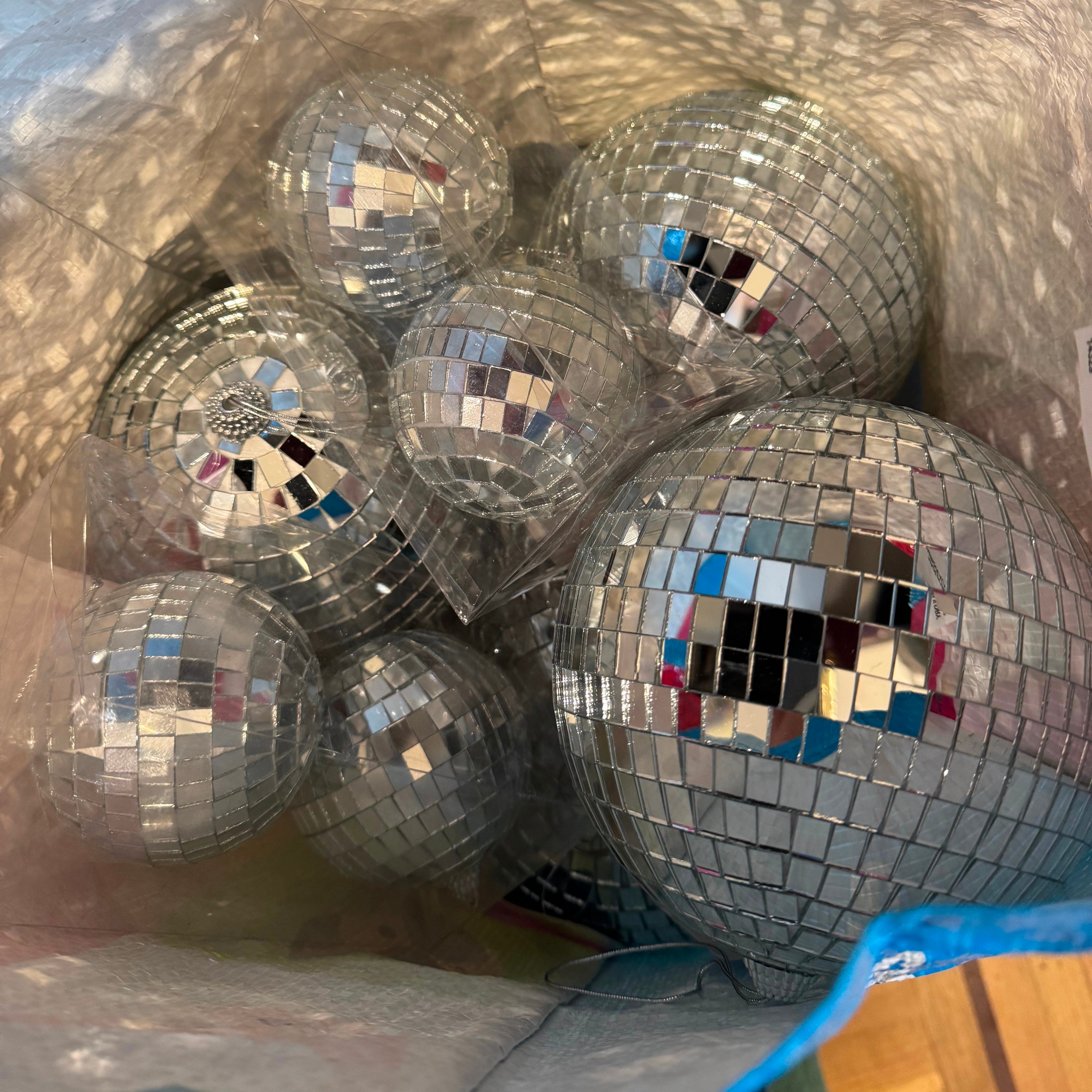
Your home definitely needs a disco dachshund by AMCLUBShop on Etsy.

I take New Year’s very, very seriously. Not in the way some people do where they wait for hours in Times Square for the ball to drop (where do they pee?), but in the fresh start, clean slate sense of the day.

I don’t make resolutions because I can never think of good ones (eat better? Watch less Netflix? Go to bed earlier? Boring!) and even if I could I would never stick to them. I’ve tried Dry January a few times, but I never last because I have too many Capricorn birthdays to celebrate.

Resolve to read more of The Waited…

But this time of year I do get contemplative and goal-setty because, as Lisa Kholostenko wrote in her Empty Calories Substack, New Year’s is “a holiday oriented toward the future. It asks us, briefly, to partake in a collective suspension of disbelief: that something can end cleanly and start fresh overnight, that midnight can function as a guillotine.”

And here we are, on the other side of that guillotine.

I love the fake fresh start this time of year offers: there’s no stress like when you start a new job, no body horror like when you have a baby, no turmoil like when you move. Things are only different if you decide they’re different.

We transformed our house into a dollar store disco for our NYE party and I fully intend to keep these up all January.

New Year’s to me is both the calm and the storm. We host a lot this time of year (we have many family birthdays), but school and extracurricular activities stop, work slows down. So it’s chill and chaotic.

In between all the hosting and partying and disco ball-buying, I printed off the gigantic Unravel Your Year workbook by Susannah Conway, something I’ve been doing since New Year’s 2018 when one of my friends who worked in tech (and who I would have NEVER in a million years expected to do this sort of thing) sent it to me.

It takes forever. Requires time and space and more handwriting than you’ve done since English 426. And I swear it works.

So for whoever it was who asked me for the link—here it is! Let me know if you do it?

I may not make resolutions, but I do make lists. I’m very ritualistic (superstitious?) about them. I wrote out my first goal-list when I left my former ad agency to start my own in 2011. I don’t remember everything that was on it—I really should dig it up—but it was things like contribute articles, land speaking engagements, teach workshops, blah blah blah.

I became obsessive about writing out these lists when I looked back on that first one and saw I’d achieved everything on it, except the thing I put number one: write a book. Way back then it didn’t even make sense for that to be on there because I was solely focused on copywriting and the like. (You can read about how and when that changed here.)

But I see now I was working on my book before I was actually working on my book.

Fast forward to 2025, which was for me a leap year with a lowercase l. The first thing I put on my goal-list for 2025 was find a literary agent. (If you’re interested in how I landed an agent, send me a note? I get the sense more of you are readers than writers, but lemme know if I’m wrong!)

Haven’t made my list for 2026 yet, but I’m hoping it’ll also be infused with magic.

Can’t wait

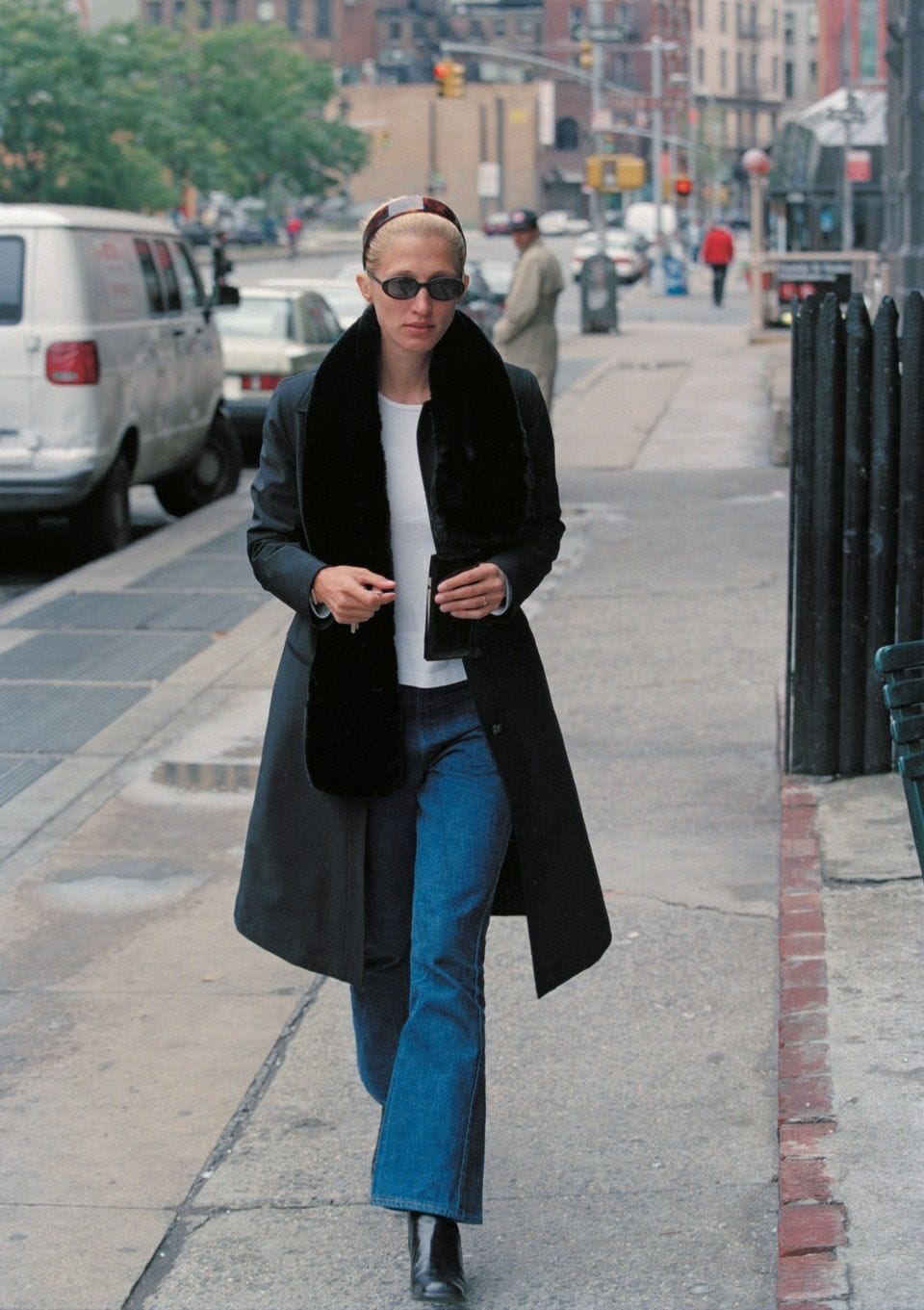
What will this year hold? Jessica DeFino of Flesh World has beauty industry predictions for 2026, Ted Gioia predicts even more vintage shopping, and I have one hyper specific prediction for 2026: the return of the Carolyn Bessette-Kennedy-length coat (thanks to next month’s American Love Story) which you’d fully be able to score vintage. Oh, that and stainless steel kitchen and dining table accents.

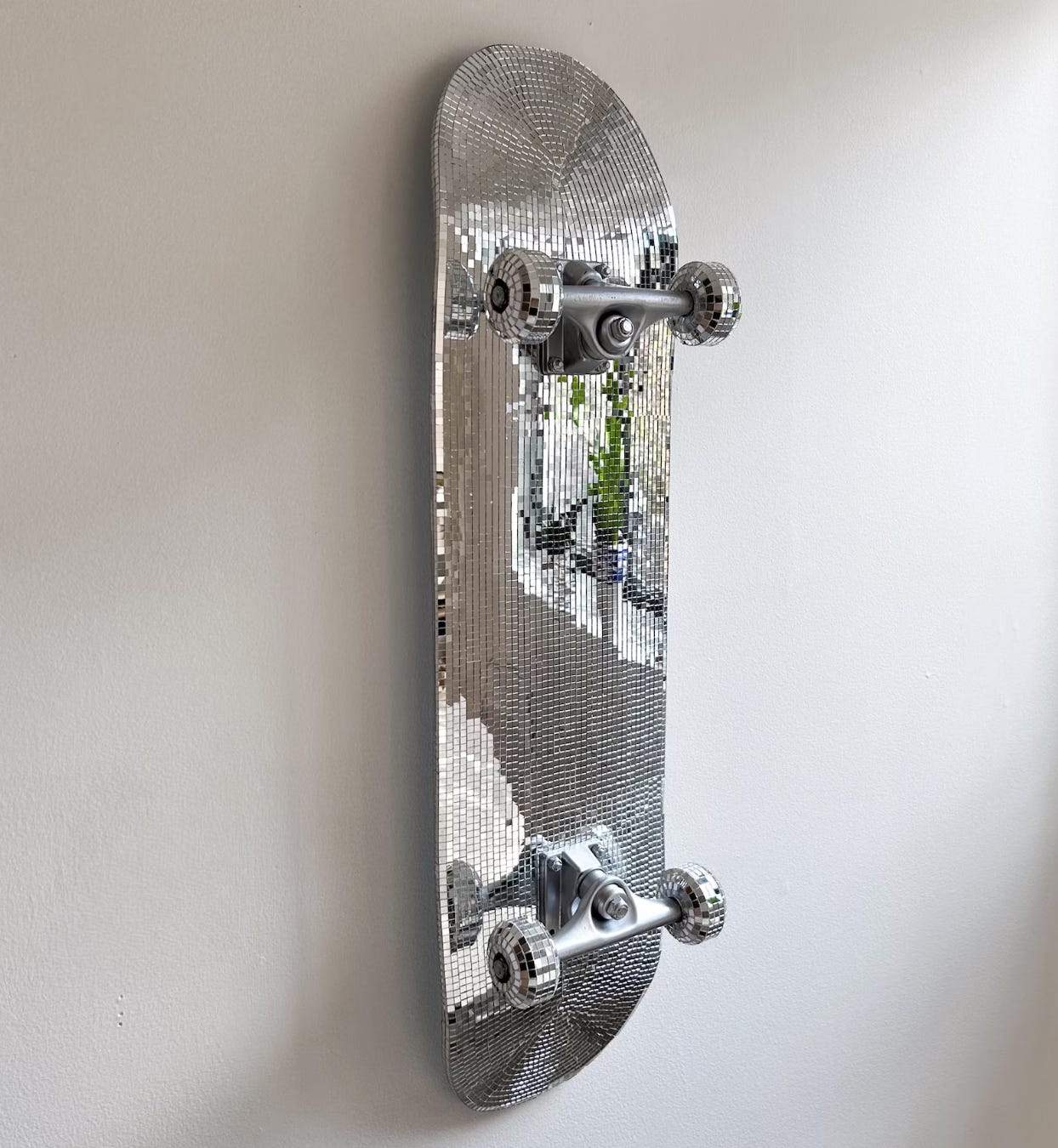
A disco ball skateboard I kind of need, by Montreal’s Fayality on Etsy.

Thank you!

After I wrote an Op-Ed for the Vancouver Sun about getting personal devices out of classrooms (you can read it here—along with the backstory because I finally figured out why I’ve cared about this long before my kids were old enough for it to get messy).

I got so many notes from so many of you who are also on this mission. Thank you! Here are a few of the resources you’ve shared:

  • How the New York public school phone ban saved high school, in NY Mag (thank you, Verity!)
  • Nine ways to say “Not yet” to smart phones (thank you, Leah!)
  • The Brick app (thanks, T!)
  • In case you too were wondering whether you need a physical phone line in order to get a landline for your place—you don’t! You can do it through the internet. And I have to say: it’s wild hearing a phone ring throughout the house when my kids’ friends call them. It’s like we’ve transformed ourselves into a 90s household.

A friend and I are going to be meeting with an MP (Member of Parliament for those of you outside Canada!) about devices and kids. And I’m thinking of pitching a segment to a morning show to go along with it because I want to make these changes actually happen. So if you have any suggestions for how to build on this momentum, please send them my way?

Thanks, y’all! And Happy New Year! May your lists be long and your dogs: disco!

Kelsey

P.S. Do you also kind of wish you spent a cringey NYE with the Backstreet Boys?

P.P.S. Subscribe to The Waited on Substack to get posts directly to your inbox.

Algebra vs. the algorithm

Vancouver school board’s ‘device ban’ isn’t working. For the sake of our teachers, administrators and students, we need to remove personal devices from the classroom for real.

By Kelsey Dundon for The Vancouver Sun.

It’s been almost two years since the Province announced Personal Digital Device Restrictions in Schools to much fanfare and the collective relief of everyone familiar with Jonathan Haidt’s book The Anxious Generation. The goal of the device ban is solid: to remove distractions from classrooms and allow students to focus on learning.

The only problem?

Each school district has developed its own policy and it’s become clear the Vancouver School Board’s policy in its current form is ineffective and ultimately puts too much strain on teachers, administrators and students.

In case you need a refresher, the VSB’s current device policy for secondary school students is essentially this: personal digital devices must be turned off or placed on silent mode before entering the classroom and during instructional time.

Ask any high school teacher what that means in practice and they’ll probably tell you smartphones are hidden under the desk or tucked behind books. From there, students spend classes scrolling and texting and doing all the things these brilliantly designed devices make far too difficult for even the most iron-willed among us to resist.

It’s not students’ fault. These devices are dopamine drips.

Asking a student to resist the allure of the smartphone is unfair—even for those who are able to white-knuckle it—because research has found when it comes to smartphones, willpower drains brainpower.

You may have heard of the Phone Proximity Effect, where the mere presence of a smartphone requires so much cognitive power to resist its temptations, it reduces the cognitive capacity available for other things. Like learning. And that study was conducted on adults. I can’t even imagine trying to focus on Math 9 when TikTok is in my pocket; algebra doesn’t stand a chance against the algorithm.

We need to remove personal devices from the classroom for real. 

We could follow the lead of pioneering independent schools in our region whose device bans mean smartphones are locked away all day. We could join the ranks of forward-thinking schools around the world that require phones to be stored during the school day in Yondr pouches—the same technology you might find at a concert or a comedy show. Or the VSB could simply adopt for secondary schools what is already in place for its elementary schools: phones are restricted for the entire instructional day, including class time, recess and lunch. Though I hope it goes without saying there should still be exceptions—as in the VSB’s current policy—for students who need to use a device to support medical or diverse educational needs.

School districts with effective bell-to-bell device bans have found students’ test scores have improved significantly, especially for low-achieving students. They found students connect better with each other in class and during breaks; they even found students check out more library books.

Because when we actually remove smartphones from school in a thorough, clear-cut manner, we take the pressure off teachers and administrators from having to waste precious class time policing them (their plates are already overflowing!). And we free up students’ cognitive capacity for concentrating on the things that actually matter.

A common refrain I hear from fellow parents is how relieved we are that we didn’t have smartphones and social media when we were growing up. That’s a gift we can give our children—at the very least during their school day.

Subscribe to my e-newsletter on Substack and follow @KelseyDundon on Instagram.

Micro Mexico City: The Smallest Standouts In One Of The World’s Biggest Towns

This article first appeared in VITA Magazine.

There are a few things you probably already know about Mexico City. The weather is good. The food is great. They’re going to be co-hosting the FIFA World Cup this summer. And it’s big. Really big.

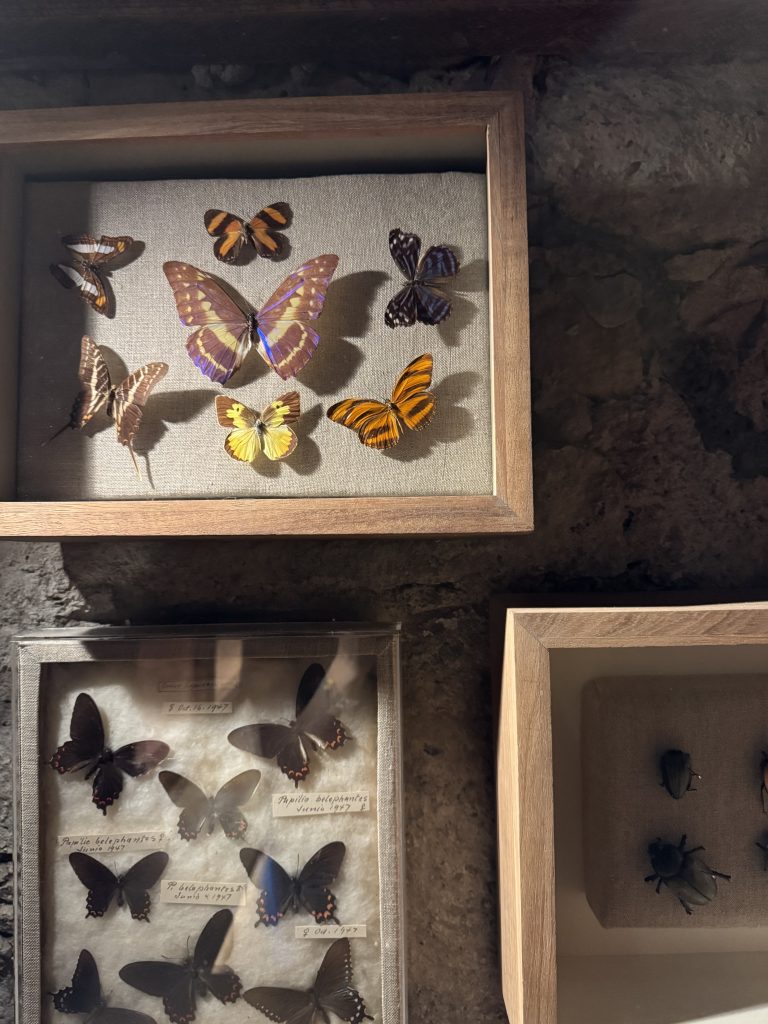
While many of Mexico City’s landmarks match the scale of the city itself—the impressively massive Museo Nacional de Antropología makes every must-see list for good reason—we’ve compiled a list of small-scale standouts that highlight a more intimate side of the capital.

Neighbouring neighbourhoods

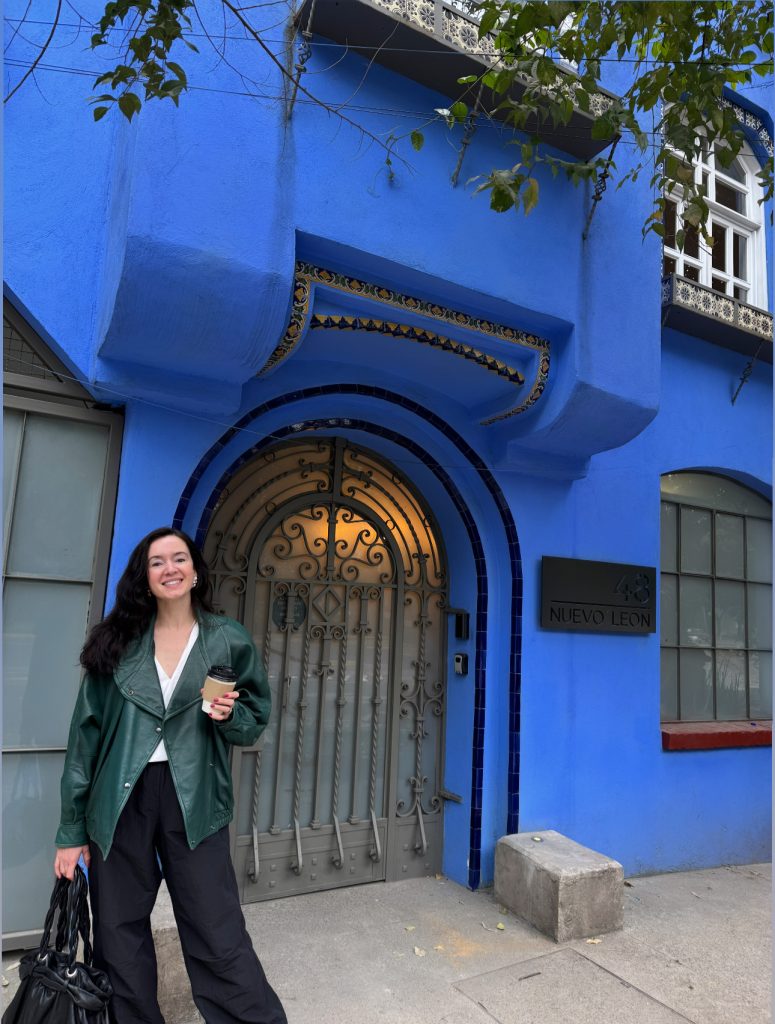
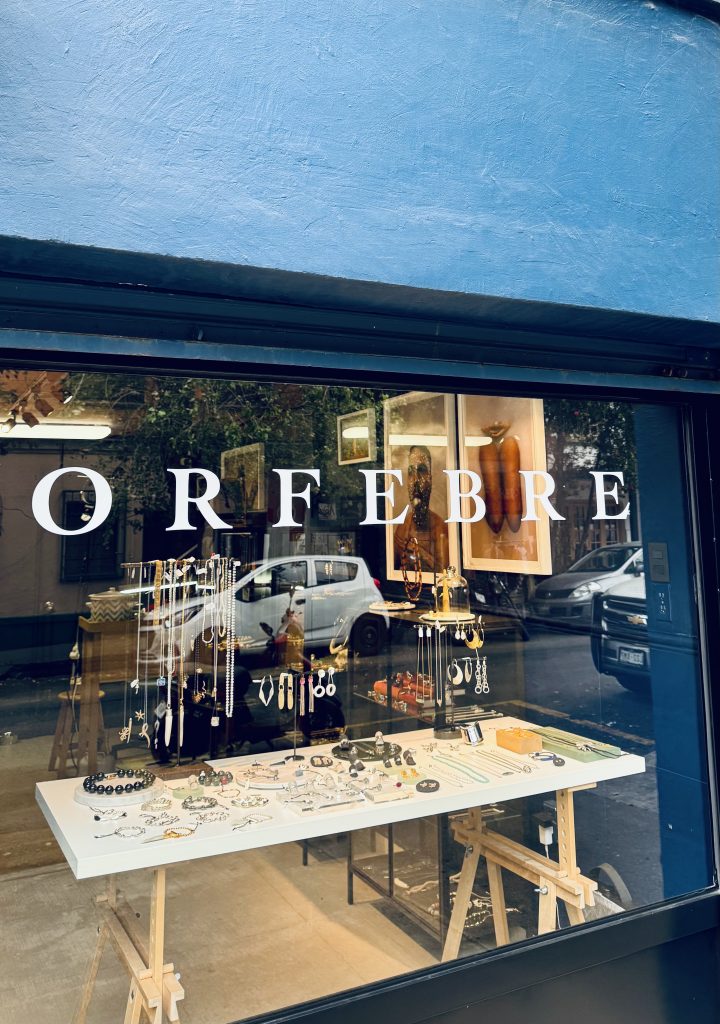
La Condesa and Roma Norte are filled with packed cafes, parks quiet enough to hear birds chirp and shops that showcase the best in Mexican design. One gem, if you’ll pardon the pun, is Orfebre, a jewelry shop housing the works of 14 different jewelers from around Mexico and Central America, including one who makes her pieces on site. It’s smack-dab between the Pasaje Parián, a collection of minuscule shops in the atrium in the Hotel Parián, and Madre Café, which offers both a garden-level café and rooftop terrace.

Raise the roof

Rooftop bars in Mexico City are tiny treasures unto themselves. Located right behind the Metropolitan Cathedral in the Zocalo is Comedor Mexicano, dotted with only a few tables beside a small pool, an absolutely beautiful spot for a sunset happy hour.

The terrace sits atop the design-forward Circulo Mexicano, a boutique hotel whose rooms are beautiful and whose street-level retailers are expertly curated. A favourite is Templo, a tinier-than-your-hotel-room shop filled with ceramics sourced from around the country, plus a few collaborations exclusive to the shop, all handcrafted and all with a distinct eye for design.

A family affair

You don’t have to hold an art history degree to know the broadest brushstrokes of Frida Kahlo’s famous life—her show-stopping talent, her iconic style, her fraught relationship with Diego Rivera. Built in her family’s former home, the newly opened Museo Casa Kahlo (often called the Casa Roja) brings to life a lesser-known side of the icon. Through personal artifacts that range from her jewelry to her hair products, it illuminates the early relationships Kahlo had with her sisters and the influences her father’s pioneering photography career had on her painting.

This new museum is just a few blocks from a spot that’s probably already on your list: the celebrated Museo Frida Kahlo (often called the Casa Azul) in the lively Coyoacán district. Both are stops worth making. But be sure to book before you go.

House party

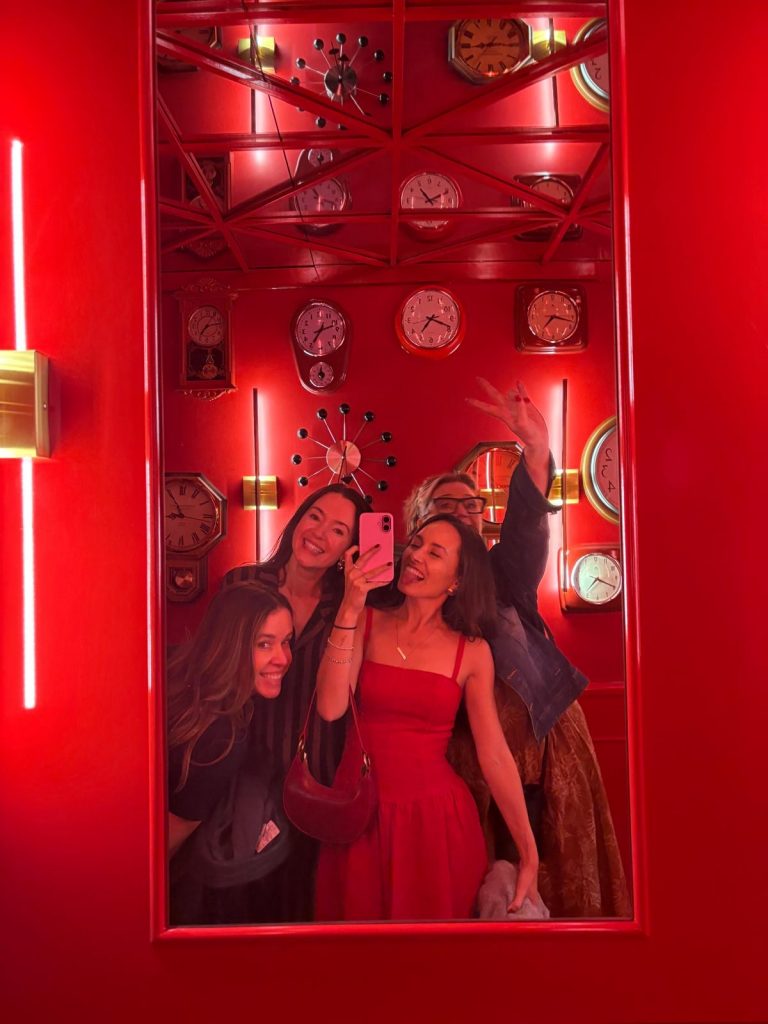
From the team behind world-renowned Handshake Bar is the brand new Ahorita (“right now” in Spanish). A bright red clock shop opens up to a space built around a central bar where bartenders, servers and partygoers gather, making it feel like you’ve somehow managed an invitation to a house party in a local’s chic studio apartment.

Getting there

Considering the fact that Mexico City feels a world away, flights from Canada are relatively short. And often direct. Flair Airlines just added new non-stop routes to MEX from YVR and YYZ so you can save on airfare while splurging on an adventure in Mexico City’s Beverly Hills.

Want more on Mexico City? You’ll find it in the official visitors guide.

P.S. You’ll find the story-behind-the-story on my new Substack The Waited: Part 1 (about how my love affair with the city all started with Buffy the Vampire Slayer) and Part 2 (about record-setting artists).
P.P.S. Follow along in real time on Instagram.

Read | The Waited, my new Substack

The Waited is my new Substack about all the waiting that goes into the making.

For a few years there, when my kids were really little, I wasn’t thinking about writing fiction at all. But I would listen to podcasts and audiobooks about creative practices—by Brené Brown, Liz Gilbert and Cheryl Strayed. I was biding my time, I see now that I look back. Hibernating. Absorbing. And you guessed it: waiting.

Because after I lost my phone and spent three weeks in Europe off the grid(ish–I still had my laptop with me), I realized I wanted to write a book. So when I got home (and over the jet lag) I started John Grisham-ing things: I woke up earlier than I ever had in my life so I could get my 1000 words in before my kids got up and I had to start my day.

I wrote and wrote and wrote, then started working with the brilliant editor Carrie Frye, who had me rewrite and rewrite and rewrite until my thriller was solid enough to start pitching agents, a wild experience that ultimately landed me with my agent Lauren Spieller at Folio Literary Management in New York.

I’m fascinated by the way artists, writers and creative types do their work while also parenting or holding down a day job or juggling any of the other things that makes them postpone whatever project they have percolating.

The Waited, my new Substack, is about all the waiting that goes into the making. It will also be where I’ll share things that are…

Worth the Wait

  • Design. All the vintage things I love but shouldn’t buy because we have limited storage in our 115-year-old home.
  • Culture. Though let’s be realistic: probably more low-brow than high-.
  • Style. Especially vintage clothes that border on costume.
  • Writing. What I’m working on. How I’m working on it. And who I’m working with.
  • Reading. I’ve been running a book club for so long it’s become my entire personality.

Subscribe? Share with your friends? And let me know what you’d like to see?

Wear | 6-OH-4 x Kelsey Dundon

My baba was many things. An avid gardener. Prolific cross-stitcher. And a Ukrainian refugee. 

She was also the inspiration behind my collaboration with 6-OH-4 Clothing in support of Canadian Red Cross relief efforts in Ukraine.

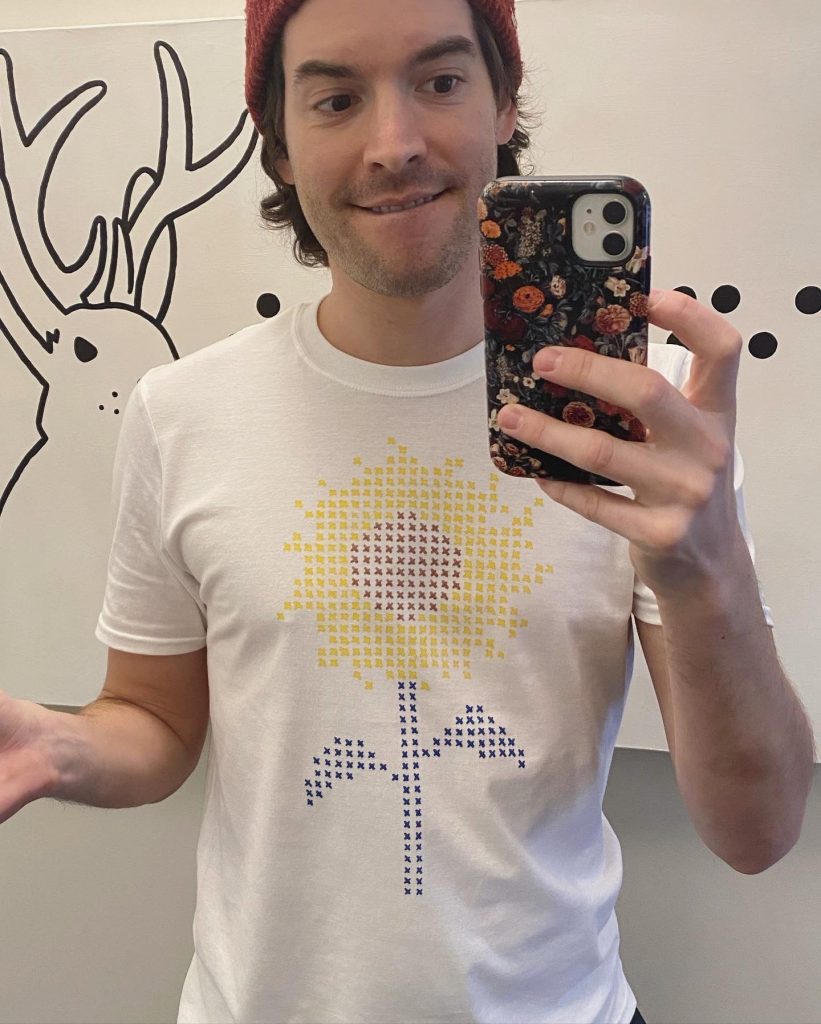
Sunflowers are such a beautiful metaphor – they stand strong, they stand together and they turn their faces toward the light. To me, they feel hopeful. I wanted the sunflower to have the look of the cross-stitch needlework my baba used to make. So I drew several versions of the graphic and tested them out. I was originally thinking it was going to be multicoloured on a white background so I used the blue of the Ukrainian flag for the stem and yellow for the petals, as modelled by Mike Lyall of 6-OH-4 (above).

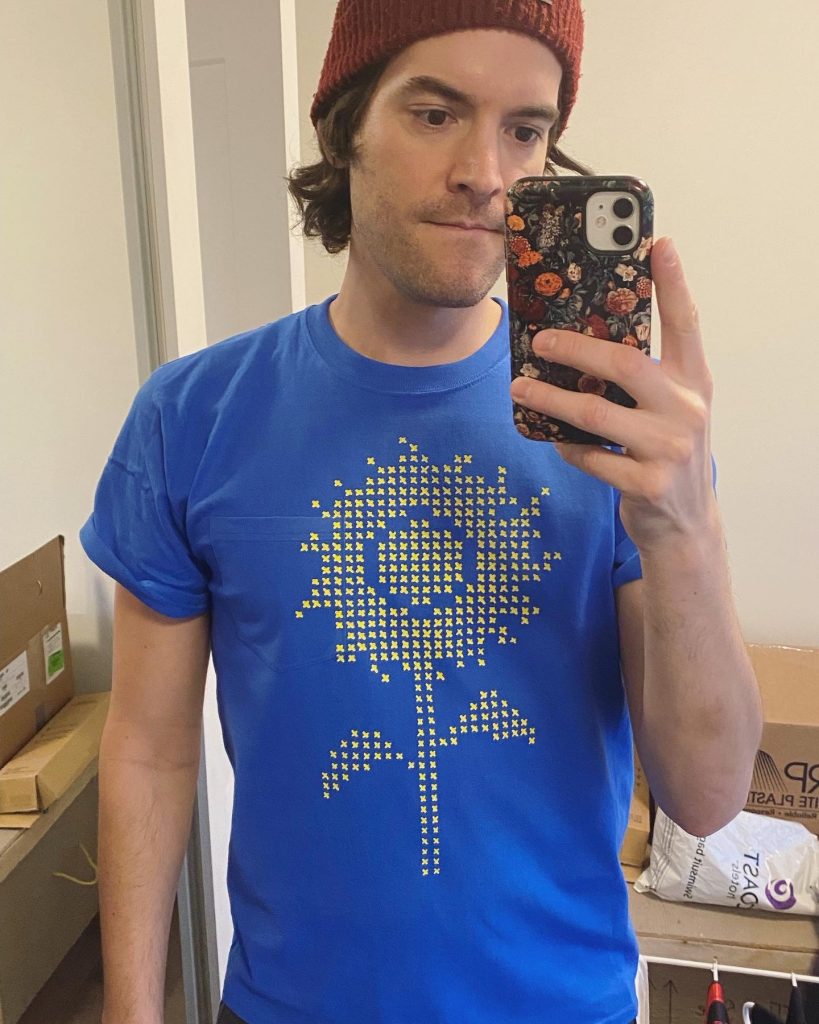
The Mike proposed doing yellow on blue, which had way more impact. But I didn’t love the graphic itself so I did some very lofi photoshopping (doodling on my iPhone) to reverse the middle of the sunflower, which is what would eventually become the heart.

By ordering this shirt (which you can do here), you’re facilitating help and healing in some of the hardest-hit regions of Ukraine: The net proceeds from every purchase goes to the Canadian Red Cross for humanitarian aid.

Travelling through my phone makes me ponder the time I accidentally travelled without my phone

This was taken a few minutes after climbing the bell tower of a ancient church in Pommevic, France. Those sandals have seen some things.

I wrote this piece when I returned from Europe in the fall. But I never published it.

I’ve been thinking about it a lot lately because it’s almost the exact opposite of COVID-19 quarantine, when the only access we have to the world is through our devices. Plus, like many of you, travel has been on my mind a lot lately. I hope you’re healthy and enjoying some virtual travel until you can once again enjoy some actual travel.

During a three-week trip to Europe this summer, I climbed the bell tower of a Roman-arched church, stepping over several dead pigeons and one calcified rat. In sandals. I found a bird turd on my pillow. After I’d already slept on it. And I brought my Paw Patrol-aged kids to Michelin-starred restaurants. (Sorry, fellow patrons.)

Yet when I tell people about our travels, the experience that horrifies them more than any other is: I lost my phone on the flight to Munich, the very first leg of our trip.

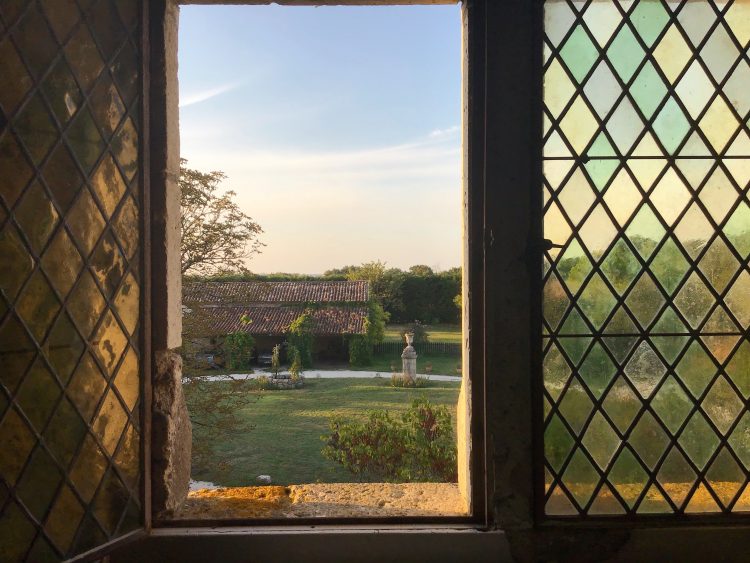
The pool house, as seen from our room at the Chateau Goudourville, a restored castle in Southwest France.

Yes, I spent three weeks with my family in some of the most photogenic locales on the planet – the French countryside! The beaches of San Sebastian! The McDonald’s PlayPlace! – sans iPhone.

And you know what? I highly recommend it.

The experience of phonelessness is a bit like time travel. Specifically to 2004, when I left my (flip?) phone at home to backpack my way from junior to senior year of college.

We used internet cafes back then. We scheduled calls with our families and then marched down the block to payphone cubicles to make them. Sorry: phone booths. It’s been so long since I used one I forgot what they’re called. We used real, printed maps, held aloft like, well…tourists. We referenced Lonely Planet guides and researched where we were going. In advance!

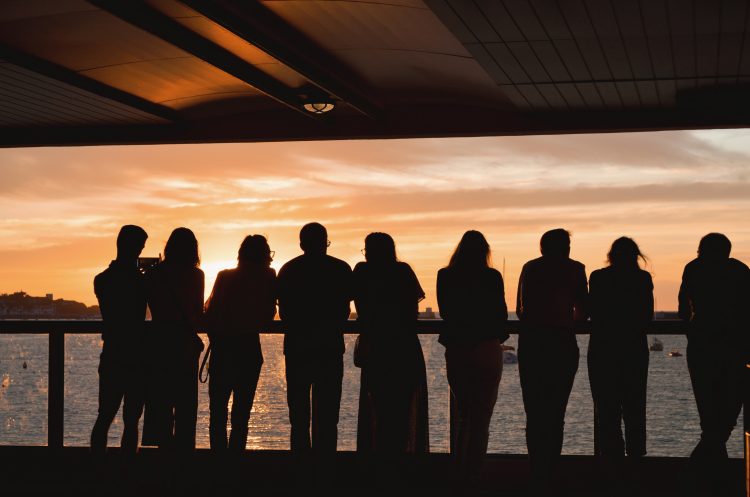
Super jealous of that guy photographing the sunset with his phone in Saint Jean de Luz, France.

It was entirely unlike the way we travel now, where we rely heavily on Google maps and user reviews of restaurants, eking out the day’s plans in real time.

Unless you ditch your phone, that is.

If you do – and hear me out, I think you should at least consider it – you’ll find a freedom you haven’t known in years.

Your out-of-office autoresponder will actually mean something. You’ll see the beach of St Jean de Luz as the expanse of pristine sand it is, not as potential content. You won’t have text messages pinging you while you sample local honey at an open-air market in Valence d’Agen. You’ll finally understand what Oprah means when she talks about being fully present.

Granted it’s not easy. In that open-air market you won’t be able to Google whether you should get the truffle-infused grape-seed or olive oil.

And you’ll want to consider how this will impact your friends and family because, believe me, the stress will wear on them. Your husband’s boss will offer to Fedex a phone to you across a continent and an ocean. Your soon-to-be brother-in-law will offer to procure a phone from his father, who is no less than the mayor of his town in Southwest France. Your friends back home with tell their friends back home nothing about your trip except your phone status.

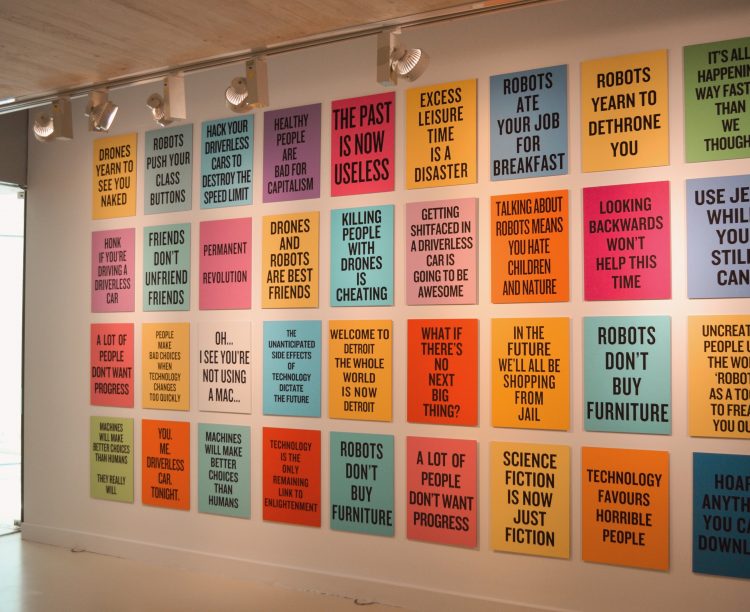
The first exhibit I saw at the San Telmo Museum in San Sebastian was by Douglas Coupland, who, like me, lives in Vancouver. But that’s beside the point.

When doing a Destination Digital Detox with others, logistics become paramount, especially while towing kids.

If your husband wants to take your little guppies to the San Sebastian Aquarium and you want to see the “Hello, Robot” exhibit at the San Telmo Museoa on the other side of the old town, you can’t rely on “where you at?” texts. Instead, you’ll have to pre-arrange a meeting point and – now this is where things get really quaint – a time to meet up. Pro tip: pack a watch.

When you want to read on the beach in Gros, the neighborhood where you’re staying in San Sebastian, you can’t just scroll to your Books app. You need to haul in your beach bag the 468-page Stephen King tome you found in the English-language section of the bookstore around the corner.

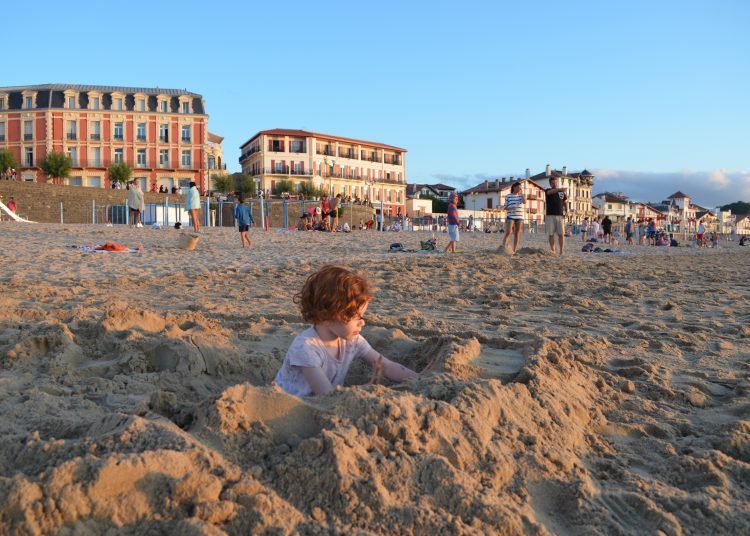
This photo probably wouldn’t have turned out as well on my iPhone anyway. It’s my kid on the beach in St. Jean de Luz, France.

When you want to take photos of the murals in the Toulouse Capitol, you’ll need to use the Nikon D5100 hanging around your neck, the same camera that will later inspire a saleswoman in a sunglasses shop to ask you questions in a French that far exceeds your 12th grade fluency. Can’t help you there.

When you do a Destination Digital Detox, you’ll experience the lost art of being off the grid. In the middle of a city, no less. Nobody will know where you are. Heck, you might not even know where you are. Consider bringing a map with you, because you certainly won’t be able to Google where to buy one.

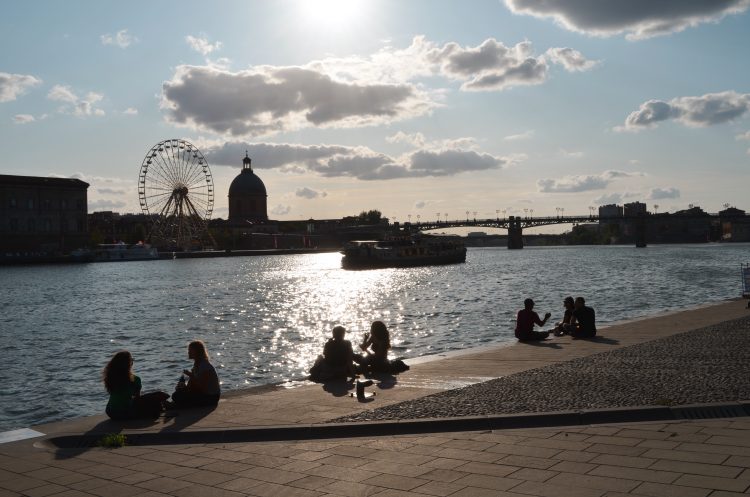
We were travelling with two young kids so we didn’t join these Toulousains for a drink on the riverbank.

Over the course of your lo-fi voyage, it’s possible you’ll have one friend email you — you’ll check it on your laptop back in your Airbnb in the evening because you’re not a complete luddite — asking you to post Insta stories from your trip. Here’s what you do: tell her you don’t have your phone with you and she will be so horrified at the prospect she’ll leave you alone.

Three weeks without a phone in a foreign land is a real trip. When you get home, you’ll reacclimatize to the pace of North American life with fresh eyes, now that you’ve experienced slow jet-setting. Your perspective will have shifted because you were forced to live very, very differently than you normally do.

You may find you don’t even install Instagram on your new phone until a month after you return.

And by that point you can finally answer the age-old question: if you go on vacation, but don’t post your vacation photos, did you really go on vacation?

[Photos by Kelsey Dundon, except for the first one, which my husband took.]

P.S. I usually *do* have my phone with me so follow @KelseyDundon on Instagram.

Wear | Left on Friday

It’s really quite something. Watching one of your best friends start with an idea and turn that idea into a full-fledged brand.

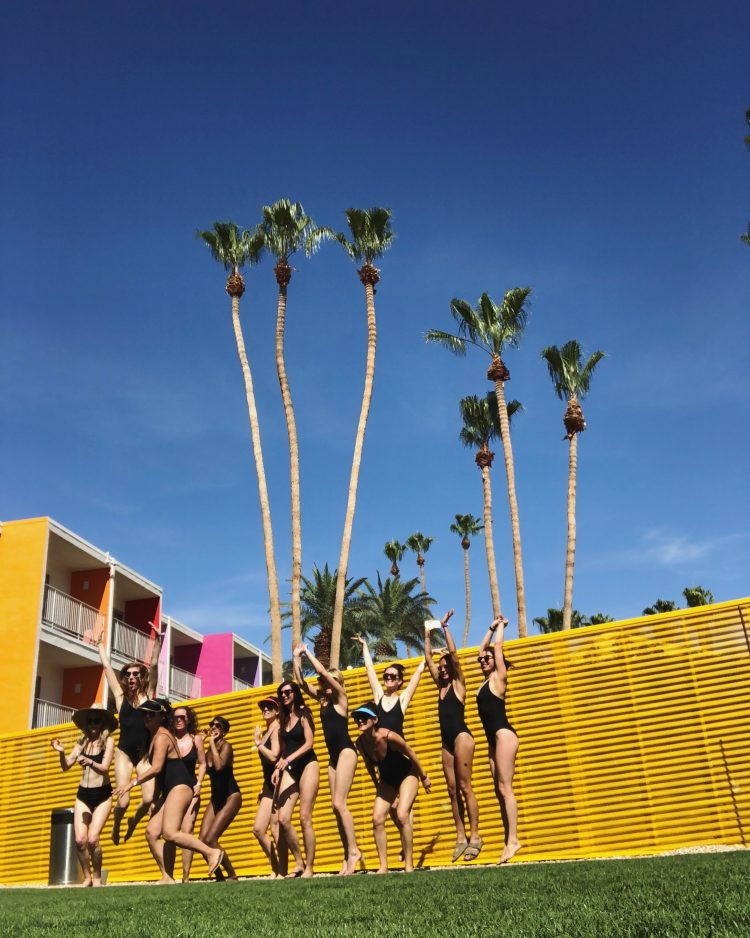
Get yourself Spring Break ready: Left on Friday.

[Self-timed photo — my favourite party trick — taken at The Saguaro in Palm Springs.]

Wear/Where | Emerald Velvet

In The Anthology’s Wear/Where column, we celebrate the parallels between what you wear and where you live. 

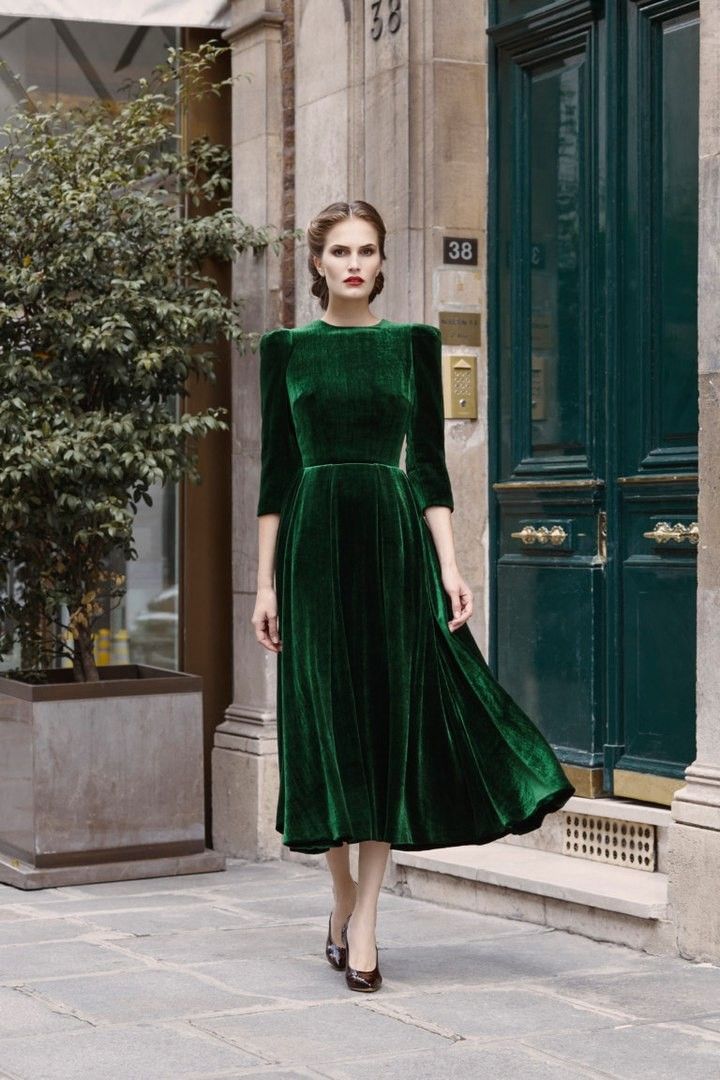
If you were to throw a wintery dinner party in an emerald velvet dress…

…that perfectly matched your emerald velvet chairs, would that be a major yay or no way, bébé?

Wear: Green velvet dress by Ulyana Sergeenko.

Where: Interior design by Kitesgrove.