
This is a pivot from the usual light, fun arts-and-culture conversations on The Waited, or The Anthology, for that matter. And that’s because I believe this topic is important for anyone who has a young person in their life–whether or not you’re a parent.
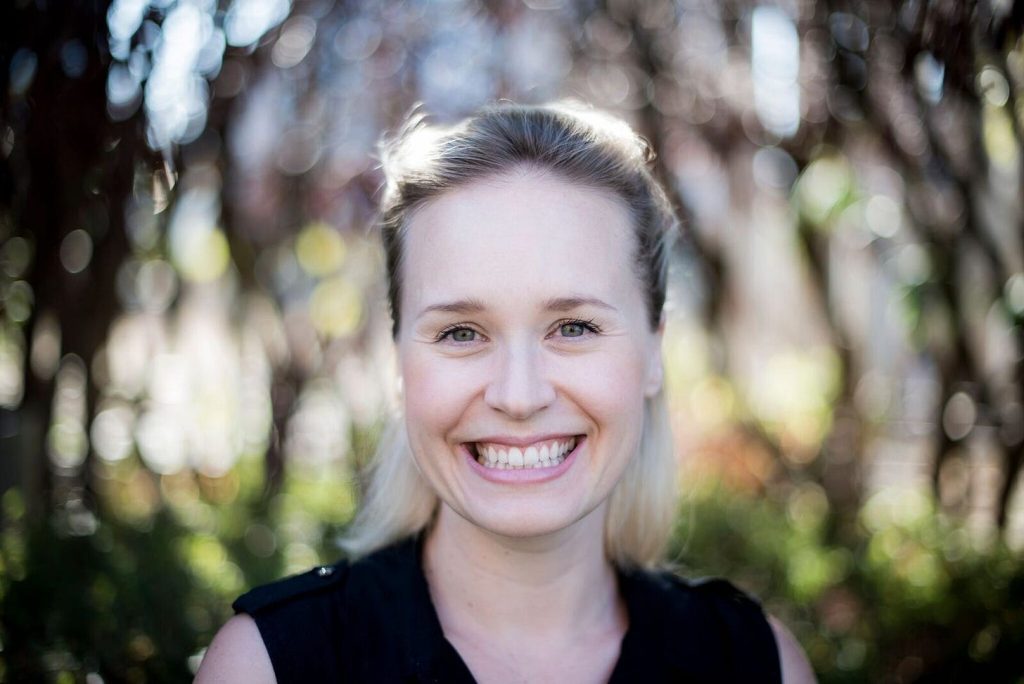
I’m not sure I would have had any idea how to talk to my kids about drugs in the modern, non-1990s sense, if I weren’t friends with Dr. Danya Fast.
Danya is a faculty member in the Department of Medicine at the University of British Columbia and a researcher at BC Children’s Hospital who has been doing research on youth substance use since 2007, with a focus on collaborating with youth and storytelling. She is also the author of The Best Place: Addiction, Intervention, and Living and Dying Young in Vancouver.
We’ve been friends since we were in preschool (my mom still sends me photos of Danya’s interviews every time she’s featured in the newspaper). When Danya and I get together, we often talk about her work with young people, which is tragic and important. Our casual conversations led us to co-host multiple in-person conversations for parents and caregivers about young people and drugs. We’ve kept those discussions small–we’ve had about a couple dozen attendees each time–and we don’t record them so people can feel free to share and ask anything they like. Each time we’ve held them, I’ve watched as Danya’s nonjudgmental candidness has turned parents’ fears into hope.
I think her message is so important, it should be heard far beyond those walls.
In this episode of The Waited Podcast, Danya shares ideas for talking to your kids about drugs, vaping, and alcohol. Why she recommends doing so before you might think you need to. And how much the landscape has changed since we were growing up.
It’s a heavy topic, for sure, but our conversation is (hopefully!) helpful and hopeful. So don’t let it scare you. In fact, it feels to me like the bleaker the broader situation has gotten, the less substances are talked about in terms of prevention. Let’s change that.
TW: we talk about drugs, alcohol, depression and suicide, so I’d recommend you listen to our conversation on your own, and then decide if you’d like to listen to it with the young people in your life.
Want a TL;DR?
- The drug supply is more toxic than it ever has been
- Counterfeit prescription pills are almost impossible to identify, they often come in what looks like real prescription bottles, and they can be incredibly dangerous
- Naloxone, a nasal formulation that counteracts the effects of fentanyl, is now available (in BC, at least) and is small enough to fit in a First Aid kit
- Connection saves lives
Resources in Vancouver and British Columbia
Those of you who live elsewhere, a quick Google search will hopefully provide local resources in your area.
- Foundry BC is a free, confidential health and wellness service for youth ages 12–24, with locations across BC: FoundryBC.ca
- Kelty Mental Health at BC Children’s Hospital offers mental health information and support for families: keltymentalhealth.ca
- SACY workers are present at some Vancouver high schools
- BC Alcohol & Drug Information Line: 1-800-663-1441
- Naloxone information and training is available in Vancouver through many pharmacies, community organizations, and public health services, and through workshops delivered by groups like NaloxHome
- Anchoring Change is a national initiative to transform school-based substance use prevention, education, and intervention in Canada.
Watch/listen. Send me a note at KDundon@NorthillCreative.com to let me know what you think. And share the episode with your parent friends.
A huge, huge, huge thank you, Danya!
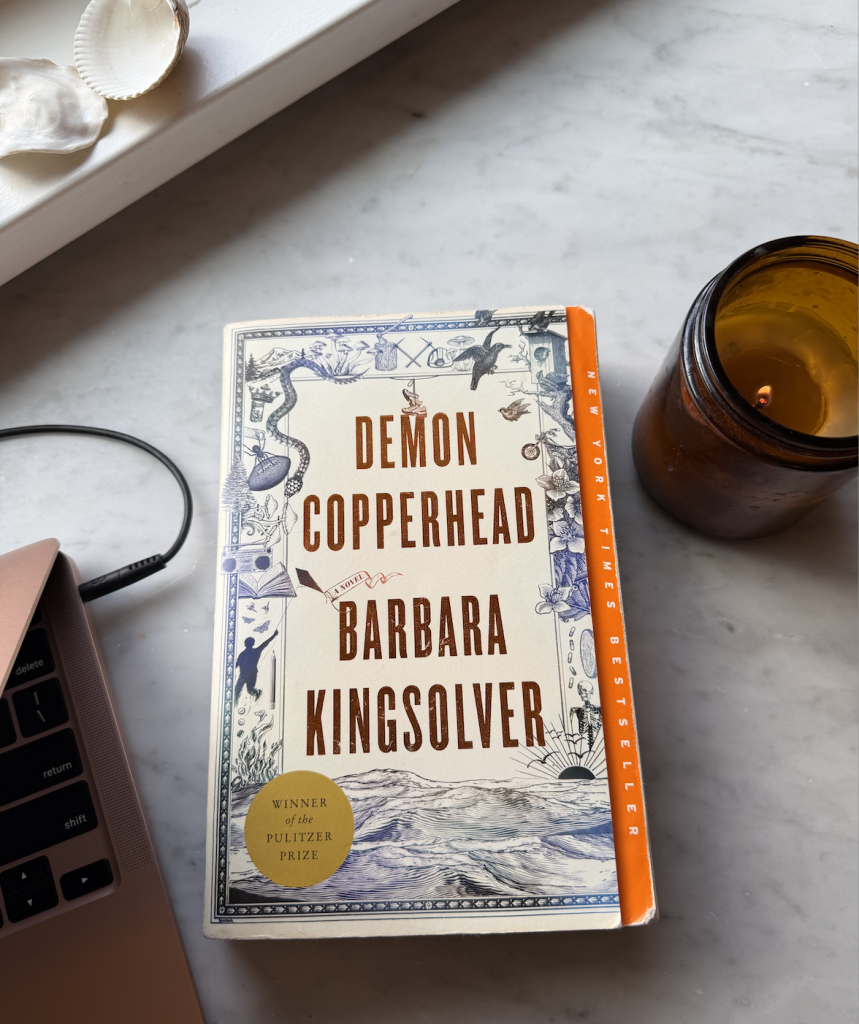
P.S. I saw Barbara Kingsolver at the Vancouver Writers Festival recently and though she was there to discuss her new release Partita, she spent a fair bit of time talking about her beloved Pulizter Prize-winning Demon Copperhead, which revolves heavily around young people and substances. She said after she’s done something particularly horrible to one of her characters, she often gets so blue she often has to go for a walk to pull herself out of it.
It’s a great read for your book club, if you’re looking for your next pick.
Subscribe to The Waited on Substack to get the newsletter delivered to your inbox.
